Hydroponic Fodder | The Future of Sustainable Livestock Feeding in Pakistan
Discover how SABZA Hydroponic Fodder Kit allows you to grow fresh green fodder in 7–8 days using 90% less water while reducing the cost and uncertainty of traditional fodder farming with improved animal health, digestion and milk production.
Sana
3/26/20262 min read
Hydroponic Fodder: The Future of Sustainable Livestock Feeding in Pakistan
With rising feed costs, water scarcity and unpredictable climate conditions, livestock farmers in Pakistan are facing increasing challenges. Traditional fodder cultivation requires large land areas, consistent irrigation, and favorable weather resources that are becoming harder to secure. Hydroponic fodder is a modern technique of growing fresh, nutrient-rich animal feed using water, controlled environments without soil. At SABZA Hydroponics, we aim to empower farmers, dairy owners and agri-entrepreneurs with efficient and sustainable fodder production systems.
What is Hydroponic Fodder?
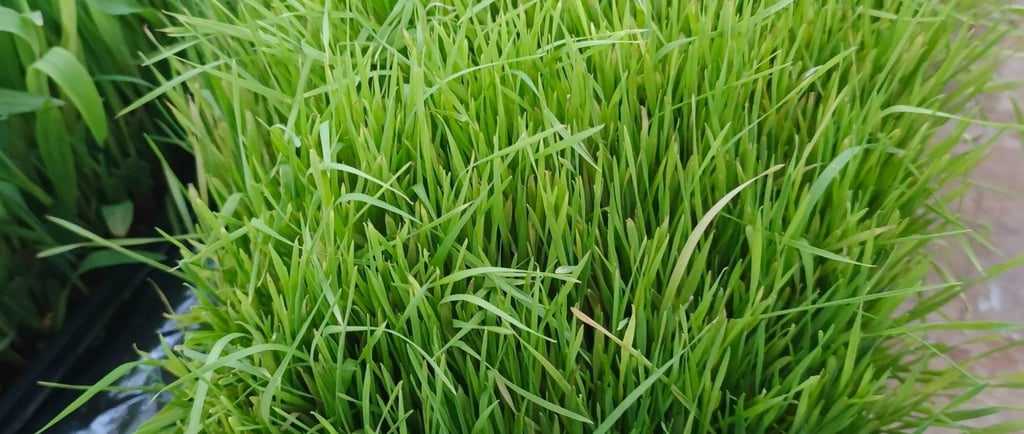
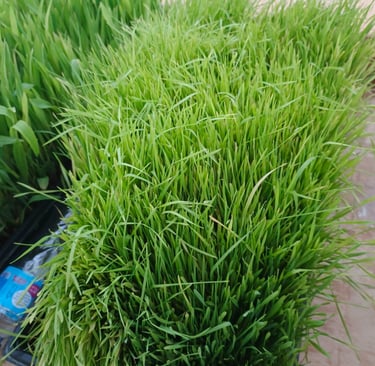
Hydroponic fodder is produced by sprouting grains such as wheat, barley, or maize in a controlled environment. Within just 6–8 days, these seeds grow into lush, green, highly nutritious feed for livestock. In contrast to traditional farming, hydroponic systems use minimal water, no soil, and very little space making them ideal for urban farms, dairy units and small-scale setups.
Importance of Hydroponic Systems in Fodder Production
Water Efficiency: Hydroponic fodder systems use up to 90% less water compared to conventional farming. In a country like Pakistan, where water scarcity is a major concern, this technology is a game changer.
Year-Round Production: Seasonal changes often affect fodder availability, hydroponic systems ensure consistent, year-round production, regardless of weather conditions.
Space Optimization: Even a small indoor area can produce significant quantities of fodder daily. This makes hydroponics ideal for urban livestock farming and small dairy farms.
Faster Growth Cycle: Traditional fodder can take weeks to grow, while hydroponic fodder is ready in just one week, ensuring a continuous and reliable feed supply.
Reduced Input Costs: No need for fertilizers, pesticides or large land investments, this significantly reduces operational costs in the long run.
Nutritional Benefits of Hydroponic Fodder
Hydroponic fodder is highly nutritious and easily digestible, offering multiple benefits:
Rich in proteins, vitamins, and enzymes
Improves milk yield and quality
Enhances animal immunity and digestion
Reduces dependency on expensive commercial feed.
Significance for Sustainable Agriculture
Hydroponic fodder production aligns strongly with global sustainability goals:
Climate Resilience: Less dependency on weather conditions
Water Conservation: Efficient use of limited resources
Urban Farming Support: Enables food production in cities
Reduced Carbon Footprint: Lower transportation and land use
Why Choose Sabza Hydroponics?
At SABZA, we provide complete hydroponic fodder solutions designed for Pakistani farmers and entrepreneurs:
Ready-to-install hydroponic fodder systems
High-quality components and durable structures
Expert training and consultation
Customized solutions for homes, farms, and commercial setups
Hydroponic fodder is not just an innovation; it is a necessity for the future of livestock farming in Pakistan. By adopting this, farmers can overcome challenges related to water scarcity, land limitations and rising feed costs while ensuring healthier animals and higher productivity.