
Hydroponic Microgreens: A Smart and Sustainable Way to Grow Fresh Food
Perfect for homes, schools, and urban farming, hydroponic microgreens grow quickly and require minimal water and maintenance. Learn how to start growing fresh microgreens indoors with SABZA hydroponic kit.
Sana
5/20/20262 min read
Hydroponic Microgreens: A Smart and Sustainable Way to Grow Fresh Food
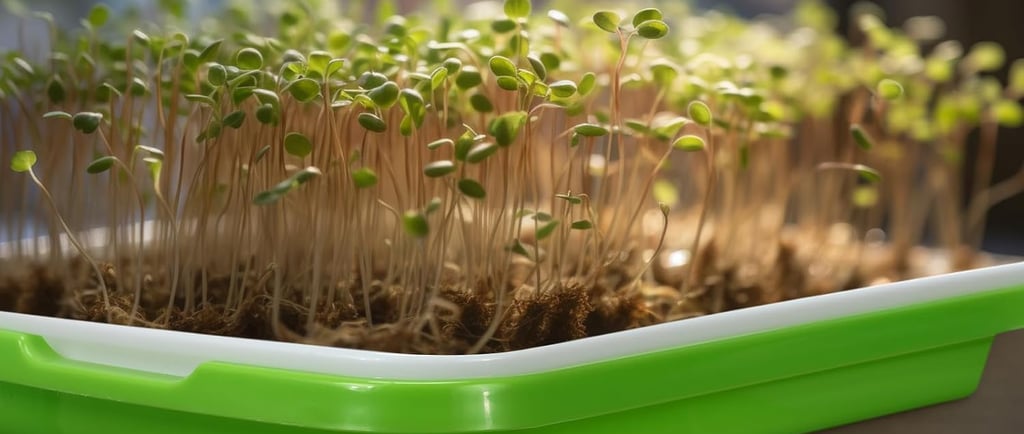
As urban farming continues to grow in popularity, hydroponic microgreens are becoming one of the easiest and healthiest crops to cultivate at home. Whether you live in a hot coastal city, a dry urban area, or a region with limited gardening space, hydroponic growing offers a modern and climate-smart solution for fresh food production. Microgreens are widely used in salads, sandwiches, smoothies, soups, and gourmet dishes. They grow quickly, require minimal space, and can thrive indoors throughout the year, making them ideal for homes, schools, restaurants, and urban farming projects.
What Are Hydroponic Microgreens?
Microgreens are young vegetable and herb plants harvested at an early stage, usually within 7–14 days after germination. Unlike sprouts, microgreens develop small leaves and are harvested above the root level. Hydroponic microgreens are grown without soil. Instead, they use water, humidity control, and grow mats or trays. This method makes them cleaner, faster-growing, and highly suitable for indoor and urban farming.
Popular hydroponic microgreens include:
Sunflower
Radish
Broccoli
Mustard
Pea shoots
Wheatgrass
Basil
Coriander
Fenugreek (Methi)
Kale
Cabbage
Rocket (Arugula)
Why Hydroponic Microgreens Are Ideal for Urban Climates
Many urban areas experience challenges such as:
Limited gardening space
Poor soil quality
Water shortages
High temperatures
Dust and pollution
Hydroponic microgreens solve many of these problems because they:
Use significantly less water than traditional farming
Require very little space
Can be grown indoors or on balconies
Need minimal maintenance
Produce harvests within days
This makes hydroponic microgreens an excellent solution for apartments, rooftops, offices, classrooms, and compact urban homes.
Health Benefits of Hydroponic Microgreens
Microgreens are often called “nutrient-dense superfoods” because they are high in antioxidants and contain concentrated vitamins and minerals despite their small size. Microgreens may contain high levels of:
Vitamin C
Vitamin K
Vitamin E
Iron
Potassium
Zinc
Microgreens are popular among:
Fitness enthusiasts
Health-conscious families
Vegan and vegetarian diets
Weight management plans
Water Saving and Sustainable Farming
Hydroponic systems are gaining worldwide attention because they support sustainable agriculture and urban food production. Hydroponic growing methods:
Require less land
Use less water
Allow year-round cultivation
Reduce dependence on soil quality
No pesticide exposure
As climate and urbanization continue to impact agriculture globally, hydroponic farming is becoming an innovative solution for food security and environmental sustainability.
Why Choose SABZA Hydroponics?
At SABZA Hydroponics, we provide complete hydroponic growing solutions designed for homes, schools, urban growers, and commercial setups:
Beginner-friendly hydroponic microgreen kits
High-quality growing trays, nutrients, and accessories
Expert guidance, training, and consultation
Sustainable solutions for indoor and urban farming
Customized hydroponic systems for homes, businesses, and educational institutes
Hydroponic microgreens are not just a modern gardening trend; they are a smart and sustainable solution for the future of food production. By adopting hydroponic farming, individuals and communities can grow fresh, nutrient-rich food with less water, minimal space while supporting a healthier and more sustainable lifestyle.